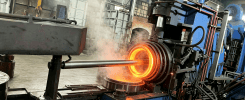
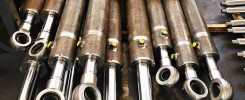
Hollow chrome bar is widely used as core piston rod material for hydraulic cylinders in construction machinery, marine equipment, oilfield and wind power machines. Many buyers send inquiries to our team with one critical question: Is hollow chrome bar rust-proof in humid working environment?
A bright mirror chrome surface easily misleads buyers into thinking these bars can fully block moisture and rust. The clear answer: hollow chrome bar has strong corrosion resistance, but it is not 100% rust-proof. Its anti-rust performance relies on three key factors: chrome plating thickness, base steel substrate and post-plating sealing treatment.
Visit our hollow chrome bar product page: https://www.cylinder-rod.com/products/ to view our full specifications for high-humidity working conditions.
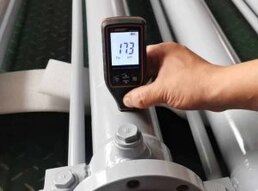
1. Hard chrome plating has unavoidable micro pinholes
Hard chrome coating greatly improves surface hardness and wear resistance for hollow chrome bar. However, micro pinholes exist on every chrome layer even after precise polishing.
In dry indoor workshops, these tiny holes will not cause rust issues. But humid sites with fog, splash water or sea salt spray let moisture and oxygen pass through pinholes and touch the raw steel base.
- Chrome thickness below 0.05mm: High risk of scattered rust spots within 1–3 months in humid areas
- Chrome thickness 0.08–0.12mm: Pinhole quantity drops sharply, effectively slowing rust formation
Most low-cost hollow chrome bar only adds ultra-thin chrome to cut costs. They look shiny at first, but develop obvious pitting rust quickly under wet working conditions.
2. Base steel material decides rust spreading speed
Even with identical chrome plating thickness, different substrate steel brings totally different anti-rust results.
- Ordinary carbon steel hollow bar: Once moisture penetrates pinholes, electrochemical corrosion spreads fast under the chrome layer, forming rust blisters on the surface.
- Alloy steel 42CrMo hollow chrome bar: Slows down corrosion expansion significantly, though it cannot fully avoid rust when pinholes appear.
Most buyers only check surface gloss and ignore substrate selection for marine, coastal or underground humid projects, which leads to early cylinder component failure.

3. 3 Cost-Effective Anti-Rust Upgrades for Humid Working Scenarios
If your equipment runs in humid workshops, offshore platforms, excavator construction sites or wind power stations, we recommend three practical solutions from our production experience:
- Set minimum hard chrome thickness to 0.08mm to reduce pinhole density
- Choose 42CrMo alloy steel substrate instead of regular carbon steel to slow rust spread
- Add post-plating sealing passivation treatment to seal micro pinholes and block moisture invasion
At cylinder-rod.com, we provide customized sealing treatment as an optional extra process for all hollow chrome bar orders targeting high-humidity applications. Our products cover construction machinery, marine port, oilfield and photovoltaic wind power equipment, matching all harsh wet environment demands.
Common Market Misunderstanding
A common wrong idea: Bright chrome surface equals zero rust risk. Surface polish only improves gloss, it cannot represent actual plating thickness or anti-rust sealing quality. Always ask suppliers for batch material test reports before bulk orders for humid projects.
Quick Purchasing Checklist for Humid-Environment Hollow Chrome Bar
- Confirm actual hard chrome thickness, do not judge quality only by surface shine
- Select matching base material: carbon steel or 42CrMo alloy steel
- Request sealing passivation treatment for coastal, marine or outdoor wet equipment
- Ask for batch inspection reports instead of single sample test data
Conclusion
Hollow chrome bar delivers lightweight, high-torsion and wear-resistant performance for hydraulic systems. You cannot treat it as fully rust-proof for long-term humid working use. Proper chrome thickness, qualified alloy substrate and sealing post-treatment together extend the service life of your hollow chrome bar and cut down maintenance costs.
Reference
- SAE International Surface Plating Specification for Hydraulic Components
- Parker Hydraulics: Piston Rod Surface Anti-Corrosion Guide
- ISO 6158 Standard for Electro-Deposited Hard Chromium Coatings